Three Books That Will Make You a Better Communicator and Leader
As an entrepreneur, instead of learning an employer’s corporate style guide and norms, I can focus on trends and best practices in the broader world of communications.
As I learn the latest data about audience attention spans, and how information is consumed, I apply new principles to my client-work.
Here are three books I recommend to improve your communications skills:
1. Permission to Feel by Marc Brackett (2019)
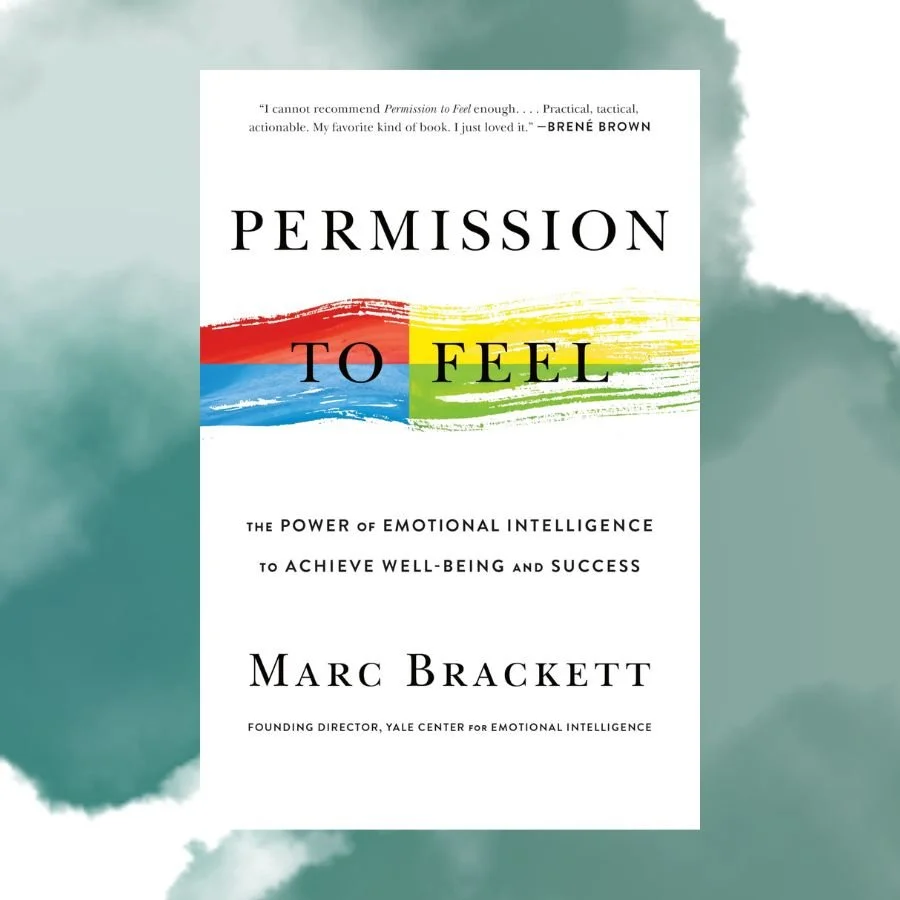
Why it matters: Emotional regulation is the foundation of credible and effective communication. Your message is not heard when you are overwhelmed, defensive, or shut down. Your integrity and maturity are as important as your words.
Brackett’s work focuses on building emotional literacy and the ability to name, understand, and manage your feelings. When you can regulate yourself, you can listen better, respond with intention, and avoid undermining even your best message.
Helps with:
Listening
Empathy
Self-awareness
Your ability to stay grounded in difficult conversations
2. Nonviolent Communication: A Language of Life by Marshall Rosenberg (2015)

Why it matters: If you want conversations that move forward instead of looping for days, this is the model. Rosenberg breaks communication into four simple parts: observations, feelings, needs, and requests. It sounds basic, but it can resolve most interpersonal issue.
This book helps you resolve conflict without blame. It helps you express yourself clearly and hear others without getting stuck in defensiveness. It also makes you better in all your roles: colleague, friend, sibling, partner, parent and leader.
Helps with:
Conflict resolution
Clarity
Compassionate communication
Accountability
3. Because Internet by Gretchen McCulloch (2019)

Why it matters: McCulloch explains how the internet has reshaped language, tone, and connection. This book helps you understand the cultural shifts behind how we communicate online today.
It is also fun, smart, and full of insights about how digital habits shape our relationships.
Helps with:
Digital communication
Perspective and nuance on the evolution of internet language
Understanding generational differences
Adapting your writing for online audiences
My word of the month: Columbusing
From an NPR article published in 2014, columbusing refers to the act of discovering something that has existed for a long time, usually within a culture that is not your own, and presenting it as new. It is a useful reminder about the evolution of language. Slang becomes mainstream and loses it’s meaning. Things we look down upon today may be the norm tomorrow. Let’s keep an open mind to different ways of communicating.
Communication is key
My interest in communication goes well beyond the professional sphere. The quality of our relationships dictates the quality of our lives. As such, communication is key for a happier existence.
These three books offer practical tools that can help you show up with more clarity, empathy, and confidence in every part of your life.
If you want help applying these ideas to your own communication goals, I offer a free 15-minute consultation. We can talk through what you need and explore how we can work together.